August in the bee year
The winter bees are raised now. Feed up, count mites, comb hygiene — what is missed in August is missing in March.
- Colony strength
- c. 30,000
- Brood
- winter bees
- Forage
- Heather, balsam
The bee that carries the first pollen in March is born in August. Winter bees live six to eight months; they need a clean, mite-poor nursery and enough protein in the larval food. August is therefore not the afterthought of the honey season, but the production month for the next colony.
Visible strength falls. That misleads: summer bees are dying, long-lived bees are emerging. Anyone who treats, feeds and keeps a tight, healthy brood nest in this phase overwinters. Anyone who takes the month as a holiday from the hive counts the dead in February.
The March colony is still in the cell in August.
In the colony
Physiologically, winter bees differ from summer bees: a larger fat body, more vitellogenin, a different activity pattern. Parasites and viruses in the rearing phase destroy exactly that reserve. Deformed wing virus often shows only in autumn — too late.
The colony contracts onto fewer combs. Check the queen is laying, but do not take the hive apart every week. Queens that stop laying in August are suspect; requeening is still possible now, not in October.
Beekeeping work
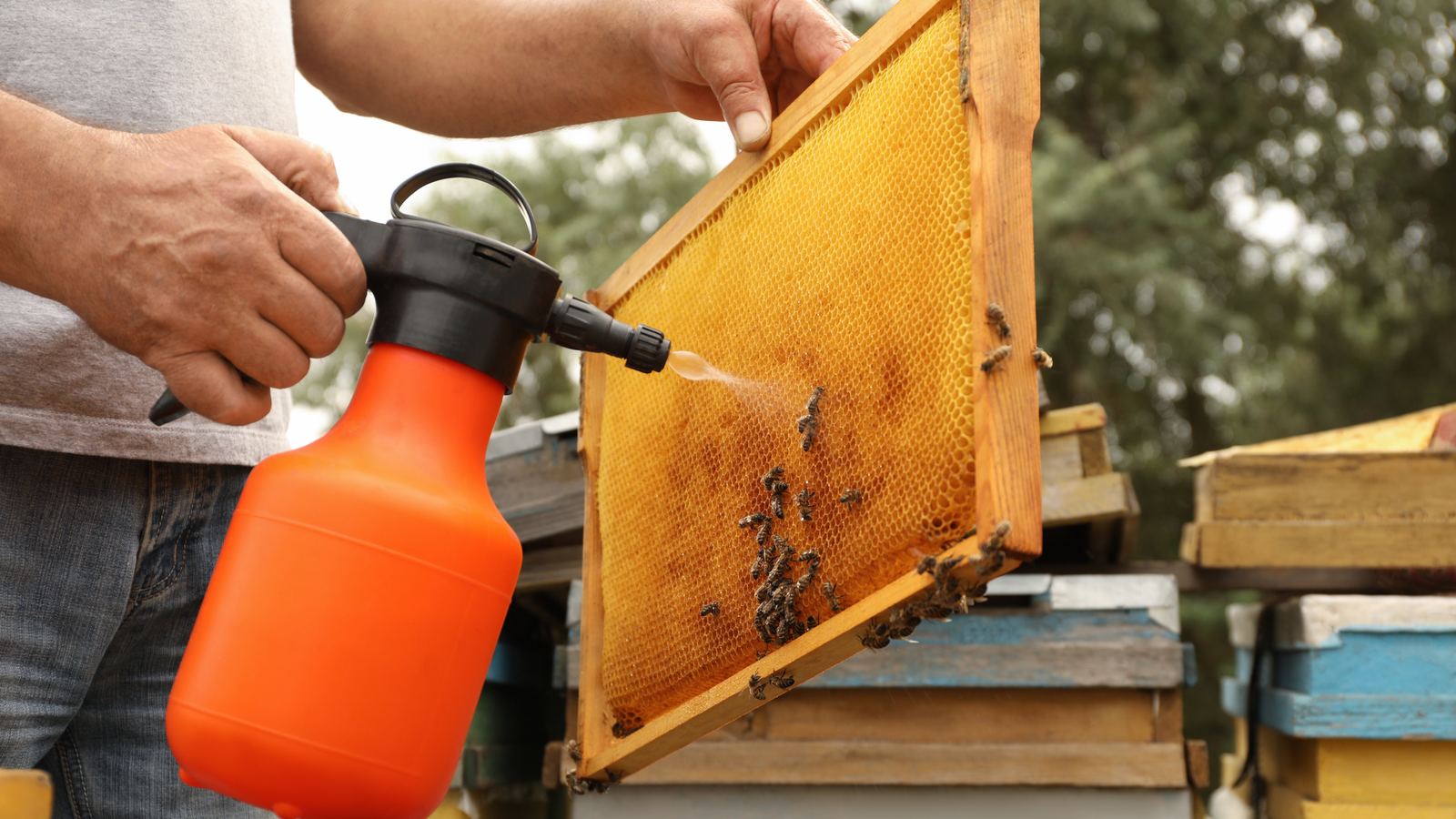
Feed in stages: several smaller doses rather than one lake the bees cannot move. The aim is — depending on hive and site — roughly 15 to 20 kilograms of winter stores including honey already there. Comb hygiene: take old brood comb out before it migrates into the cluster.
Count mites. Check that treatment worked; do not assume it. Stimulative feeding only if the colony should show brood and forage is missing; it does not replace a varroa strategy. Heather beekeepers have their own flow — and their own extraction and treatment rhythm.
Forage and pollen
Ling heather in the right country, Himalayan balsam in river valleys, early ivy, in gardens stonecrop and summer aster. In many places August is forage-poor. Then feeding is a substitute for landscape, not a comfort.
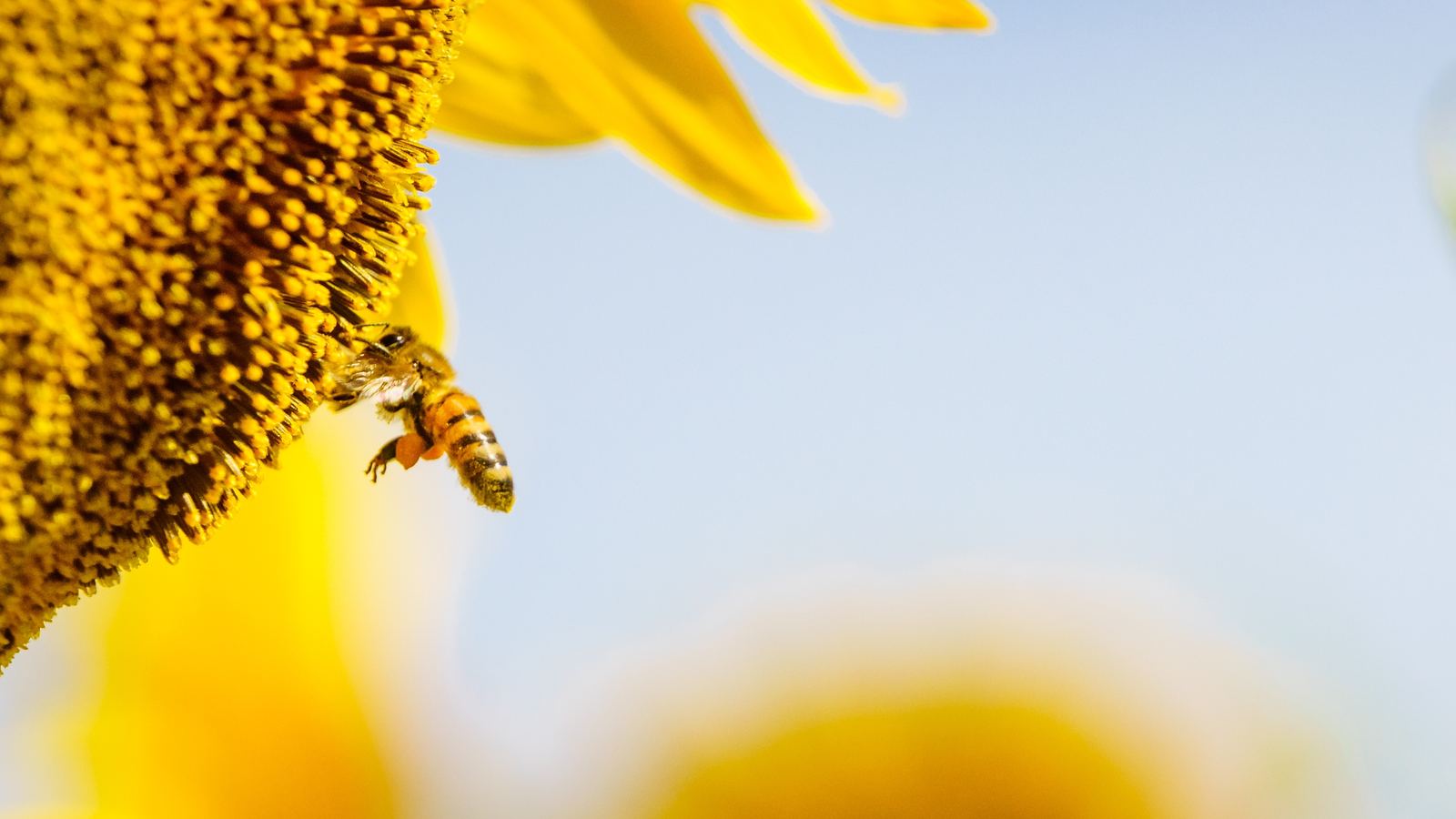
Pollen from heather and late flowers supports the raising of winter bees. A colony without pollen feeds larvae worse — regardless of the sugar syrup in the feeder.
At the apiary
- Give winter feed in stages and record the amount
- Mite check after the summer treatment
- Take out old comb; reduce to winter size
- Check queens are laying; requeen if needed
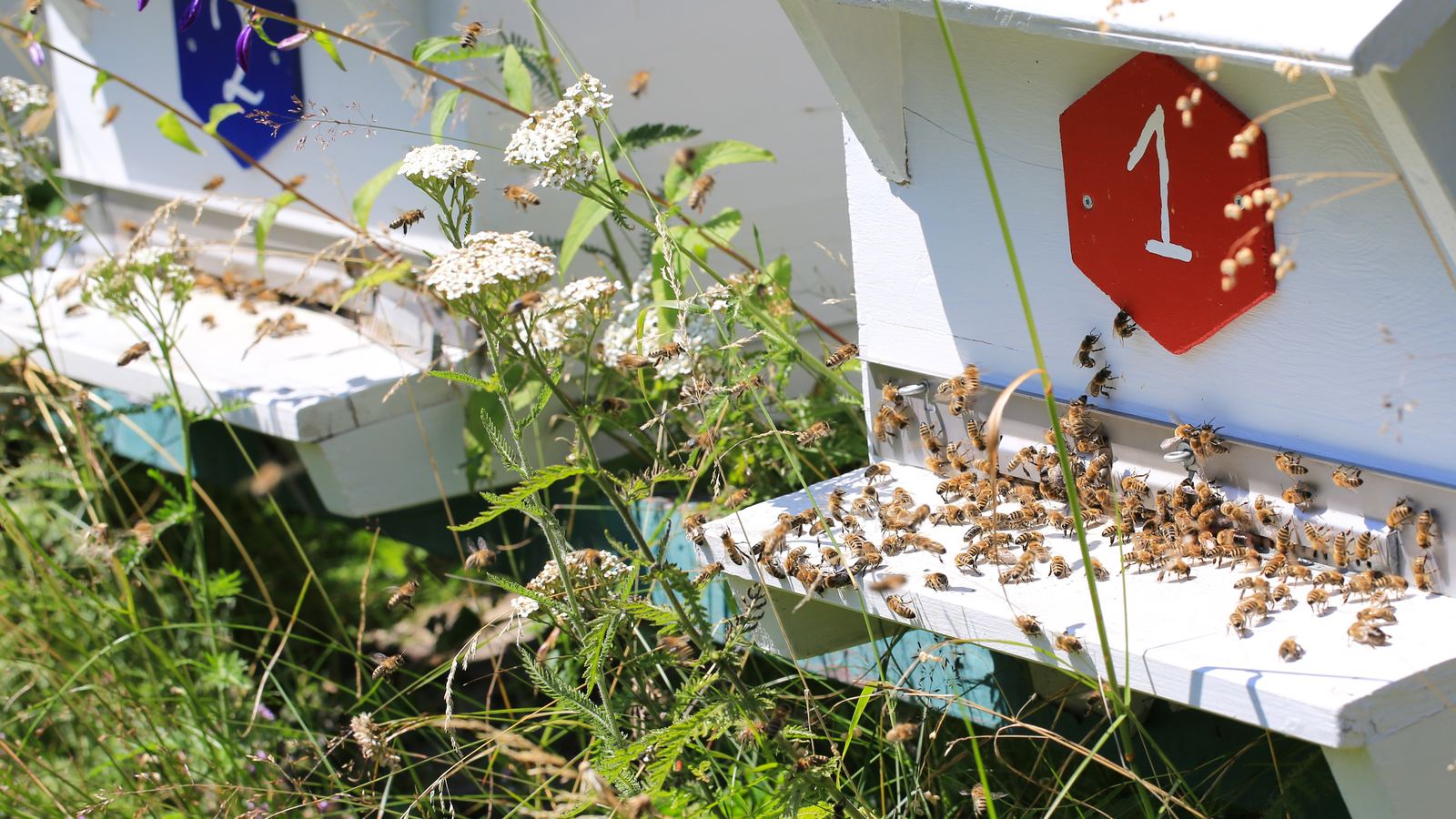
- Do not forget young colonies — they starve first
Forage this month
Ling heather · Himalayan balsam · Stonecrop · Early ivy