Forage through the year
Hazel pollen in January, fruit and rape in April, lime in June, a gap in July, ivy in September. The forage year is the landscape — and the reason colonies yield at one site and not at the next.
Forage is not 'blossom somewhere'. It is nectar and pollen in reachable quantity, at the right time, within flying range of the foragers — roughly two to three kilometres, often less in practice. A calendar that only lists plants, without landscape, is a lie in advance.
Beekeeping still needs a grid: early pollen, fruit and rape, early summer, lime, the gap, late forage, ivy. Anyone who lays their apiary onto that grid knows when to feed, when to harvest and when to expect nothing.
The forage calendar does not hang in the hive. It hangs in the landscape.
Pollen first
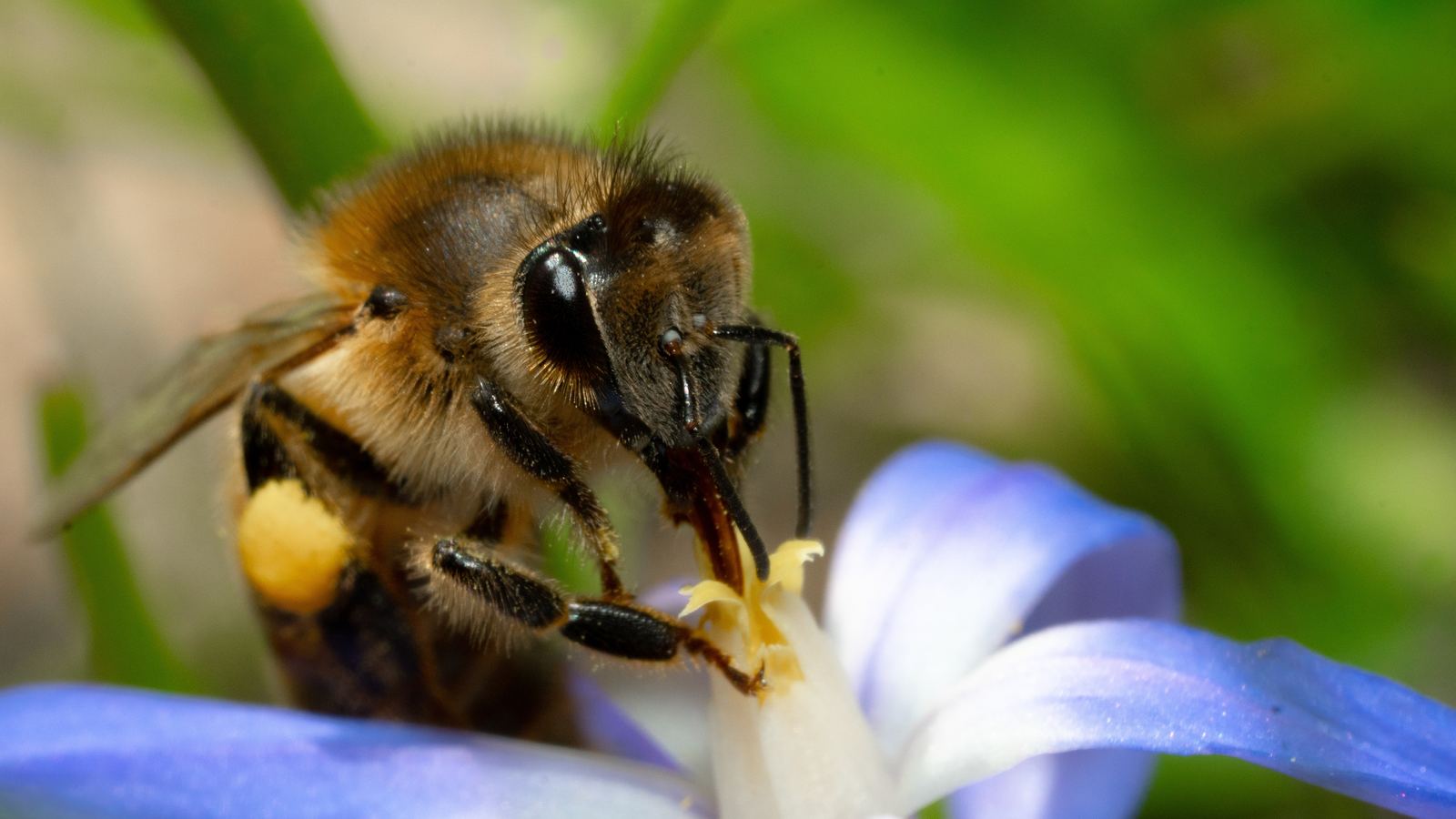
Without pollen there is no brood; without brood there are no foragers for the honey flow. Hazel, willow, crocus, maple and fruit are the protein chain of spring. An apiary in pure conifer country with no early forage stays weak even if woodland honeydew pours in July.
Pollen colours at the entrance are diagnosis: the grey of hazel, the yellow of willow, the orange of dandelion. Anyone who looks knows what the colony is raising.
Main flows and the gap
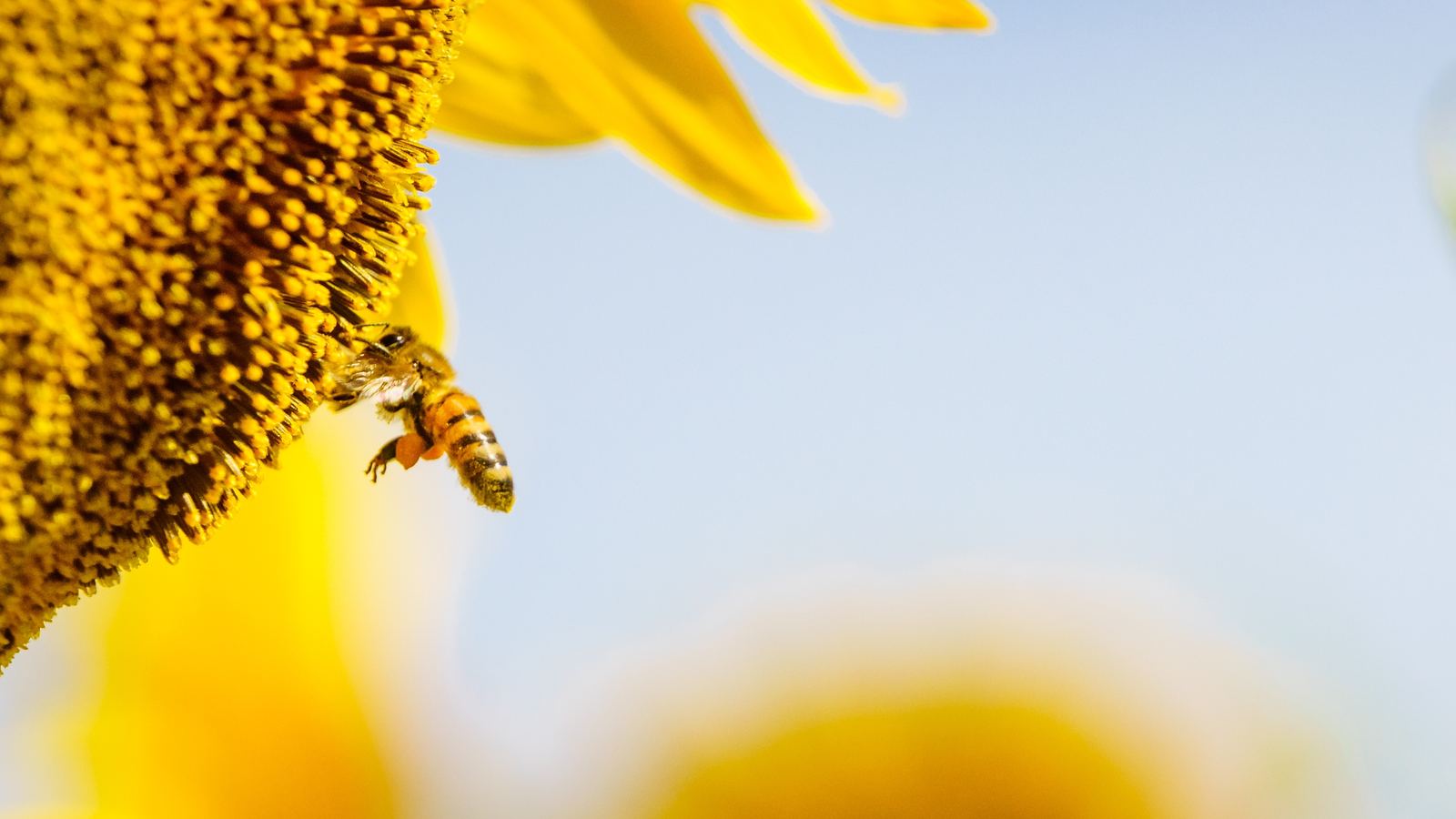
Rape and black locust can bring the year's yield in a few weeks. Lime follows, short and weather-sensitive. Then the gap: hard in stripped arable country, softer in varied gardens and along verges. Phacelia, sunflower, honeydew, heather — depending on region a lifeline, or not there.
The gap is why colonies look strong in July and starve in August. Anyone who extracts everything and does not feed confuses harvest with the end of the season.
Late forage and the city
Ivy, aster, stonecrop, urban parks: autumn can yield pollen and a little nectar, rarely still honey for the jar. For winter bees the pollen counts. Anyone who cuts ivy as a weed cuts into the bee year.
Honeydew is not a calendar entry you can force. It is aphids, woodland, warmth, humidity. In some years the best crop, in others nothing. The bee year remains an offer, not a contract.