June in the bee year
Peak strength, often the first big crop. Lime, raspberry and white clover flow. Anyone who only extracts now and does not think about varroa pays in October.
- Colony strength
- c. 50,000
- Brood
- high, soon falling
- Forage
- Lime, clover
June is the crest of the curve: up to fifty thousand bees, maximum foraging, full supers. After the solstice the days shorten — biologically the second half of the year has begun, even if the calendar still says summer.
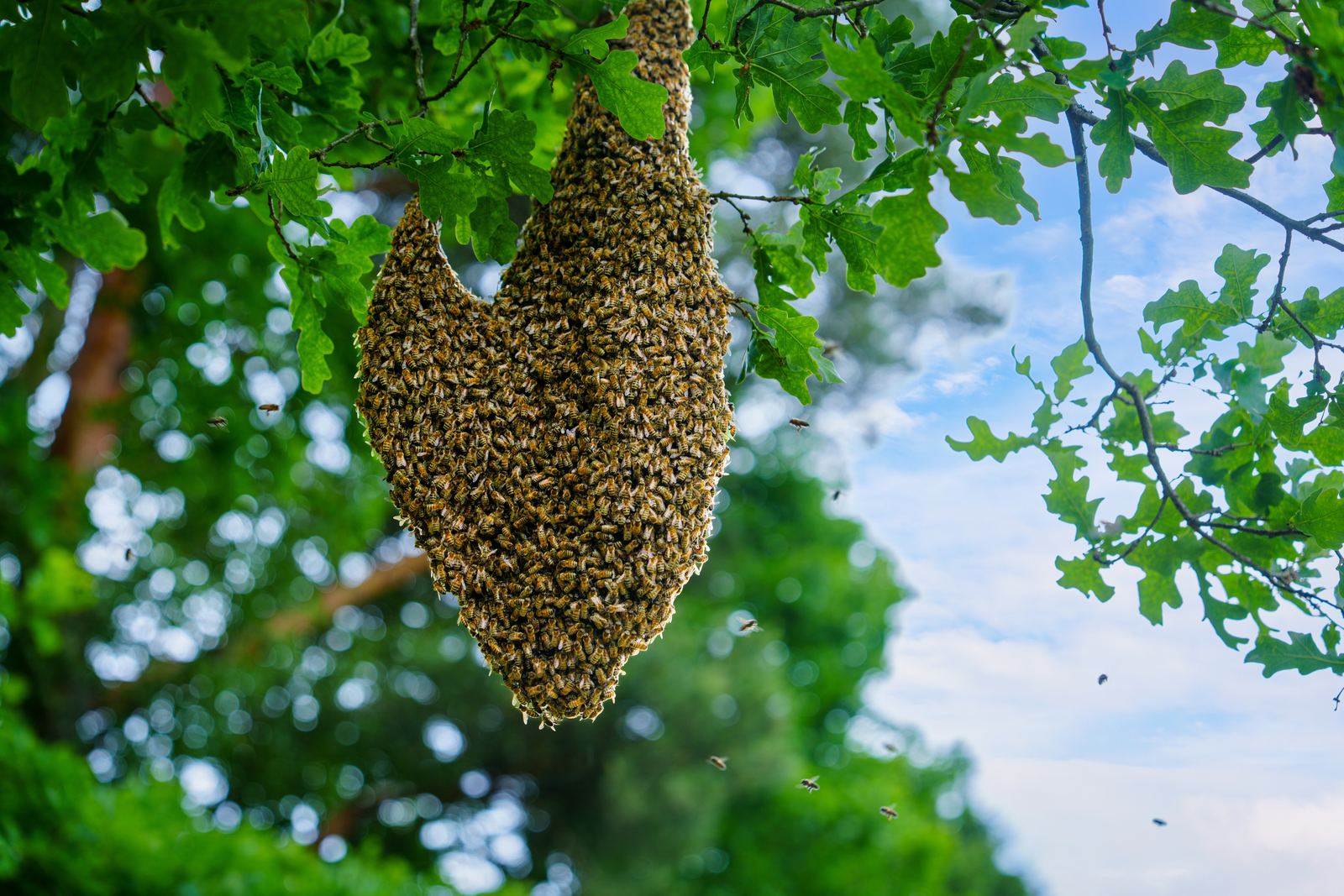
Swarm mood eases in many colonies once forage pulls and there is space. In a forage gap, or with a tight brood nest, it stays. Young colonies need feed and attention: they have no mass that forgives mistakes.
Peak strength is not the most relaxed month.
In the colony
The queen is still laying hard, but the peak of egg-laying is often already past. Summer bees live barely six weeks: what emerges now carries the flow, not the winter. Winter bees are not raised until July and August.
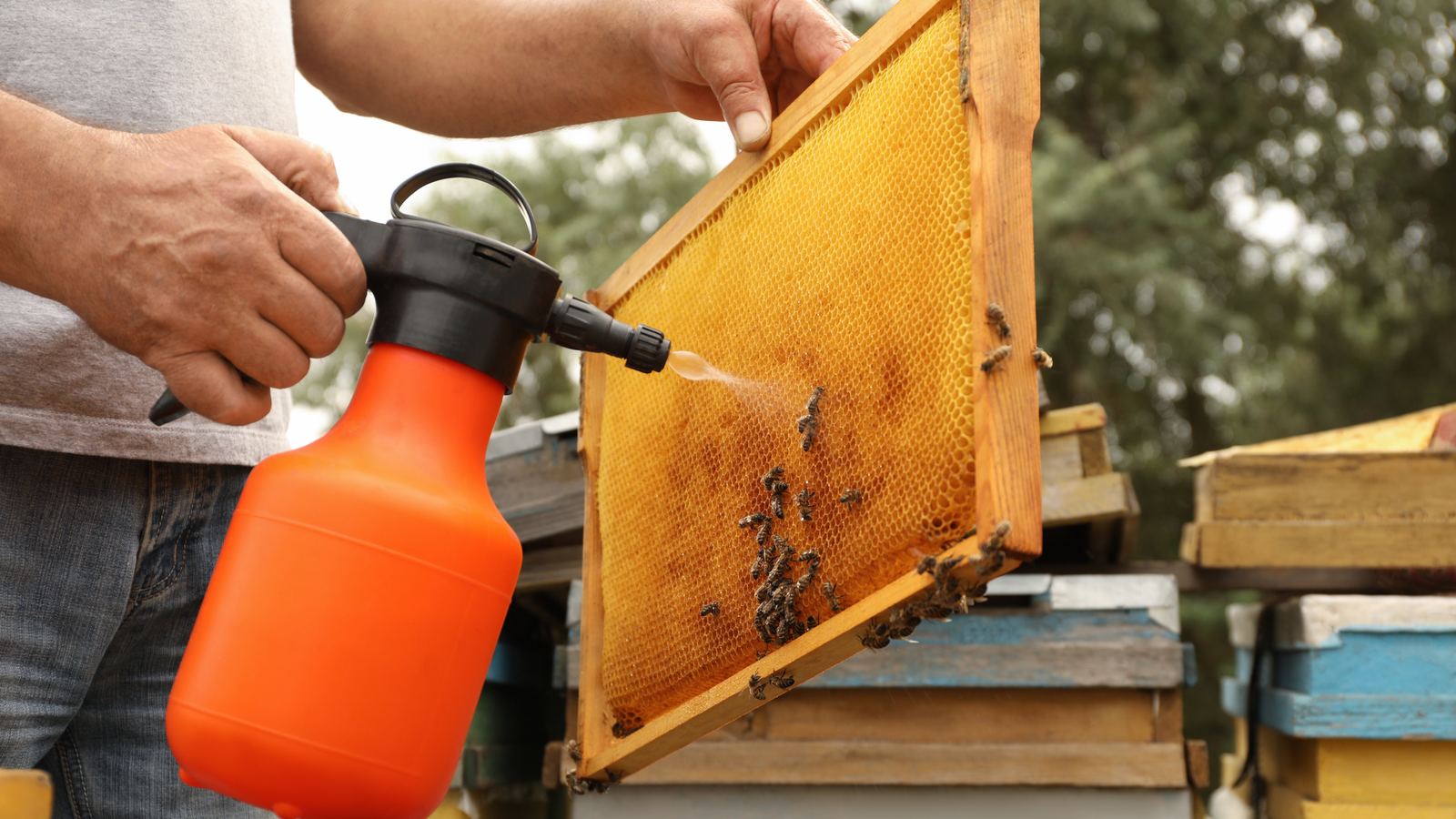
Drones are numerous. For varroa that is a favourable nursery — the longer sealed period of drone brood multiplies mites faster than worker brood. So the drone frame remains a tool, not folklore.
Beekeeping work
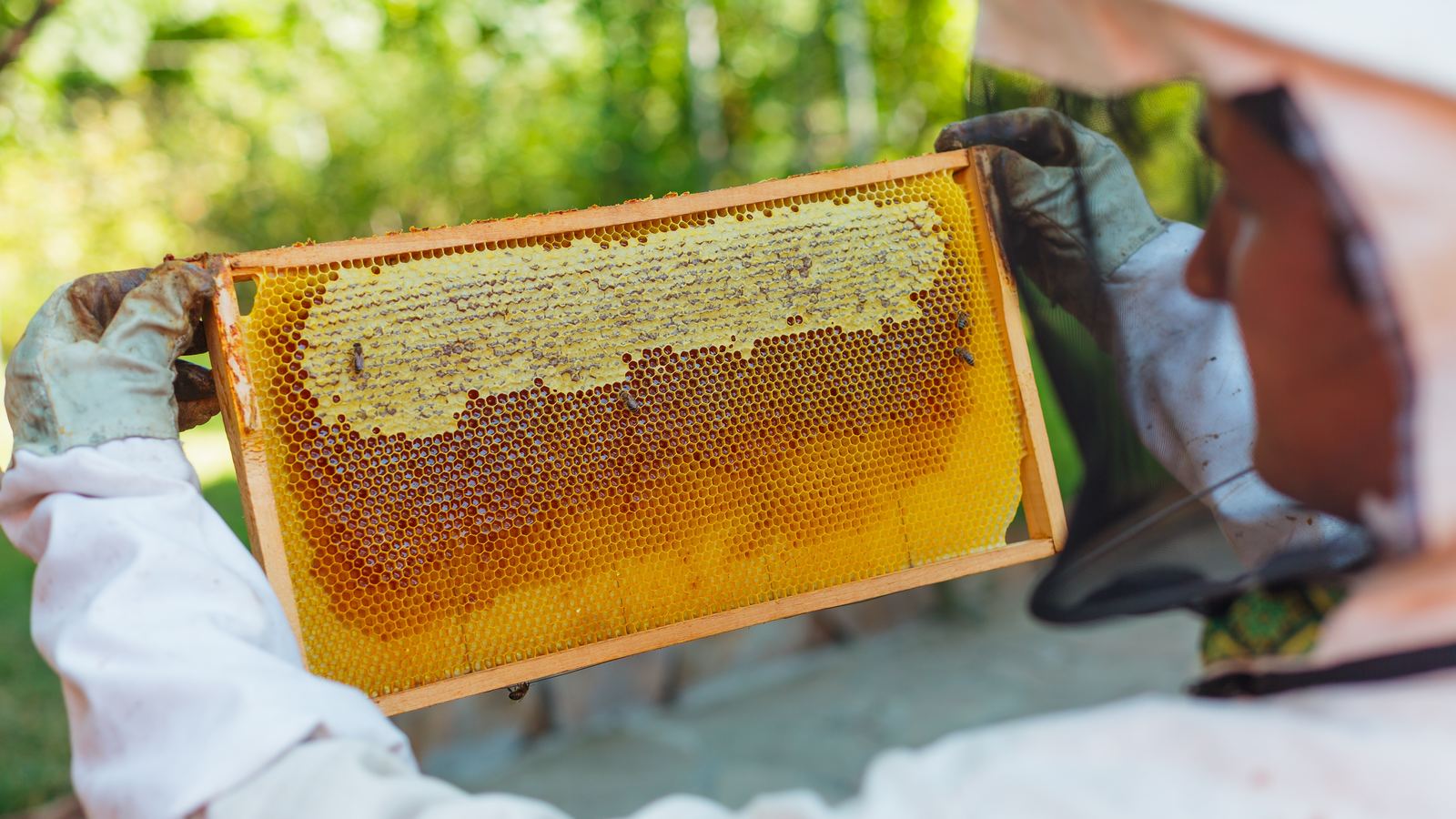
First big harvest once the honey is ripe: capped comb, water content under 18 percent, not by guesswork but with a refractometer. Extract, put the combs back, add a second super if the flow holds.
Expand young colonies, check queens are laying, requeen or re-mate queenless nuclei. No honey from colonies still being fed, or from combs with brood. Varroa check: debris or icing sugar, write the numbers down.
Forage and pollen
Lime is the classic June signature, plus raspberry, white clover, and in woodland often already honeydew. Lime is short and weather-dependent; after it, the forage gap opens in many regions.
Honeydew honeys (fir, spruce, oak) need forest and the right aphids in the right year. They make dark, enzyme-rich honeys and a beekeeping that does not force the calendar.
At the apiary
- Extract ripe honey; measure water content
- Check young colonies for a laying queen and stores
- Record mite counts
- Keep running drone frames
- Plan for the gap after lime blossom
Forage this month
Lime · Raspberry · White clover · Honeydew