March in the bee year
The brood nest explodes, the first young bees carry pollen, the beekeeper makes the first inspection. The winter colony becomes a production colony — or it stays weak.
- Colony strength
- c. 15,000
- Brood
- expanding fast
- Forage
- Willow, maple
In March the colony changes generation. Winter bees die off, the first spring bees emerge in numbers. For a week or two the colony can look weaker than in February — the so-called spring dwindle. After that the curve rises steeply.
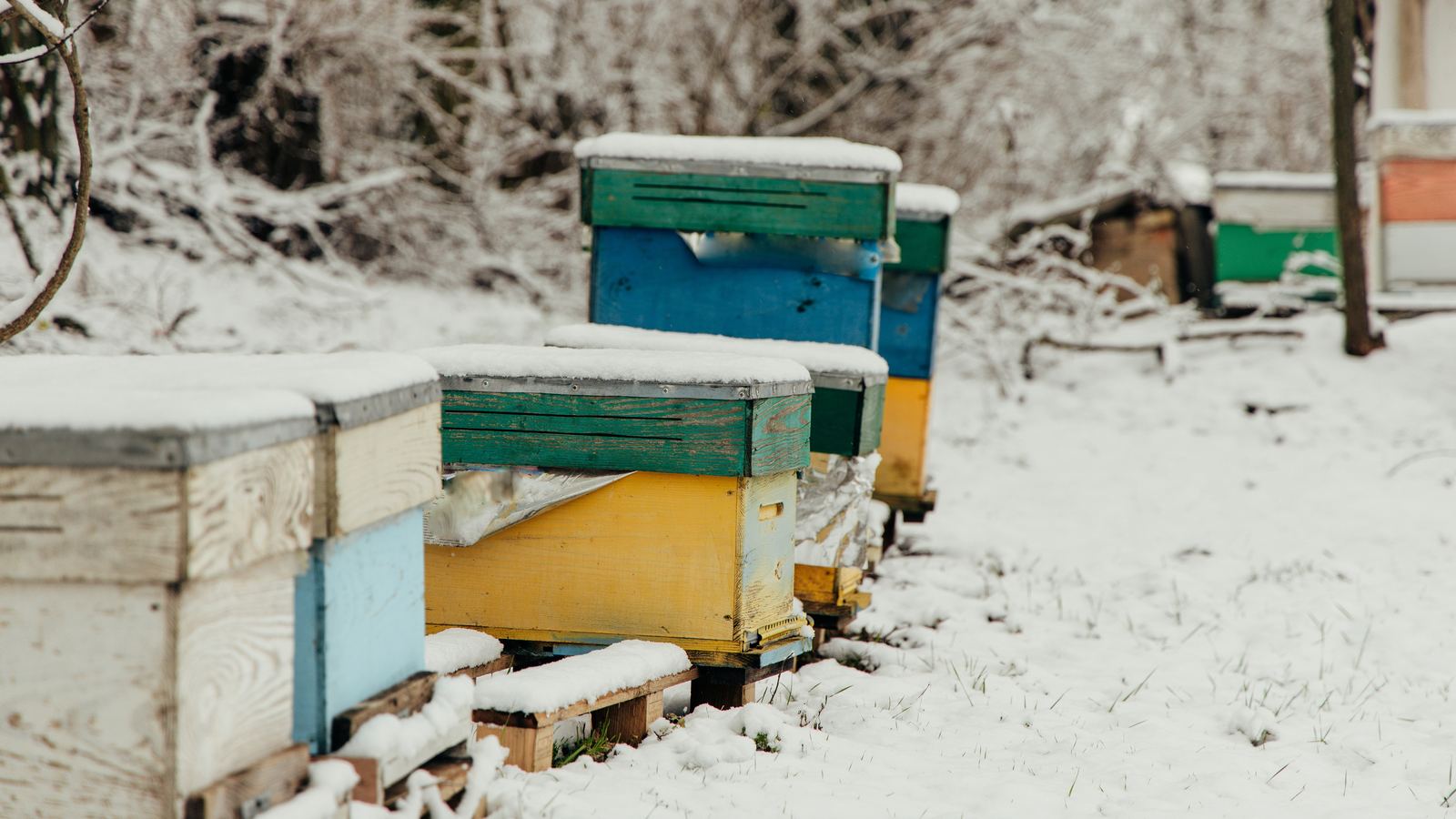
Weather makes the difference. A warm March with willow blossom fills pollen combs and speeds laying. A cold, wet March forces the colony to heat brood with no forage. Then the kilograms of honey still in the hive are what count.
In March what counts is space for brood, not space for honey.
In the colony
The queen now lays hundreds of eggs a day. The brood nest needs space outwards: a pollen ring, then honey. Anyone who filled every comb to the edge in autumn now brakes the queen — stores must go to the side or out.
Drone brood appears as soon as the colony feels strong enough. That is a biological signal, not a fault. It says: the colony is counting on reproduction. For the beekeeper that means getting the drone frame ready, not cutting out cells and hoping it stays a worker colony.
Beekeeping work
First inspection on a still day around 15 to 18 °C: queenright (open brood), stores, comb hygiene, strength. Replace old, dark, drone-heavy comb. Clean floors. Keep weak colonies tight; give strong ones space already.
Unite rather than pity: a queenless or foulbrood-suspect colony does not belong in the season. When uniting, hang the combs into the strong colony and leave the queen where she is clearly laying. Stores from dead colonies only after checking — European and American foulbrood overwinter invisibly.
Forage and pollen
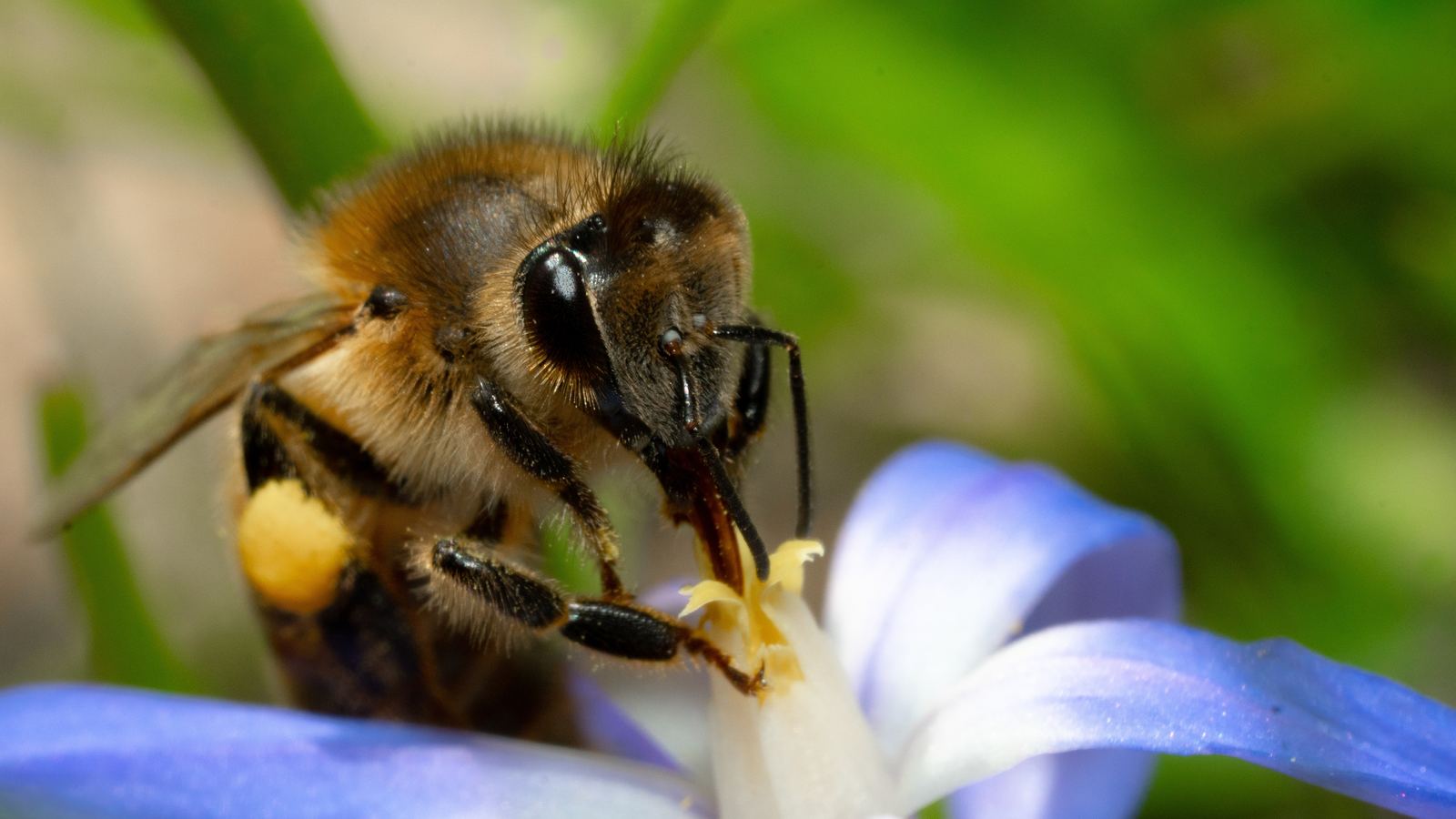
Sallow remains the key plant, plus Norway maple; in gardens forsythia (pollen) and the first fruit trees in the south-west. Nectar still flows irregularly; pollen is the limiting factor for brood.
A colony that brings in pollen in March lays down the honey crop in May. Without protein there are no nurses; without nurses there is no growth.
At the apiary
- First inspection: queen or open brood, stores, hygiene
- Take out old comb; keep weak colonies tight
- Prepare drone frames
- Resolve dead and queenless colonies — do not carry them
- A varroa debris sample, to know the starting figure
Forage this month
Sallow · Norway maple · Fruit blossom in the south · Early dandelion