Propolis, looked at closely
Propolis seals gaps and keeps the hive low in microbes. What is in it, how it is harvested, and where caution applies.
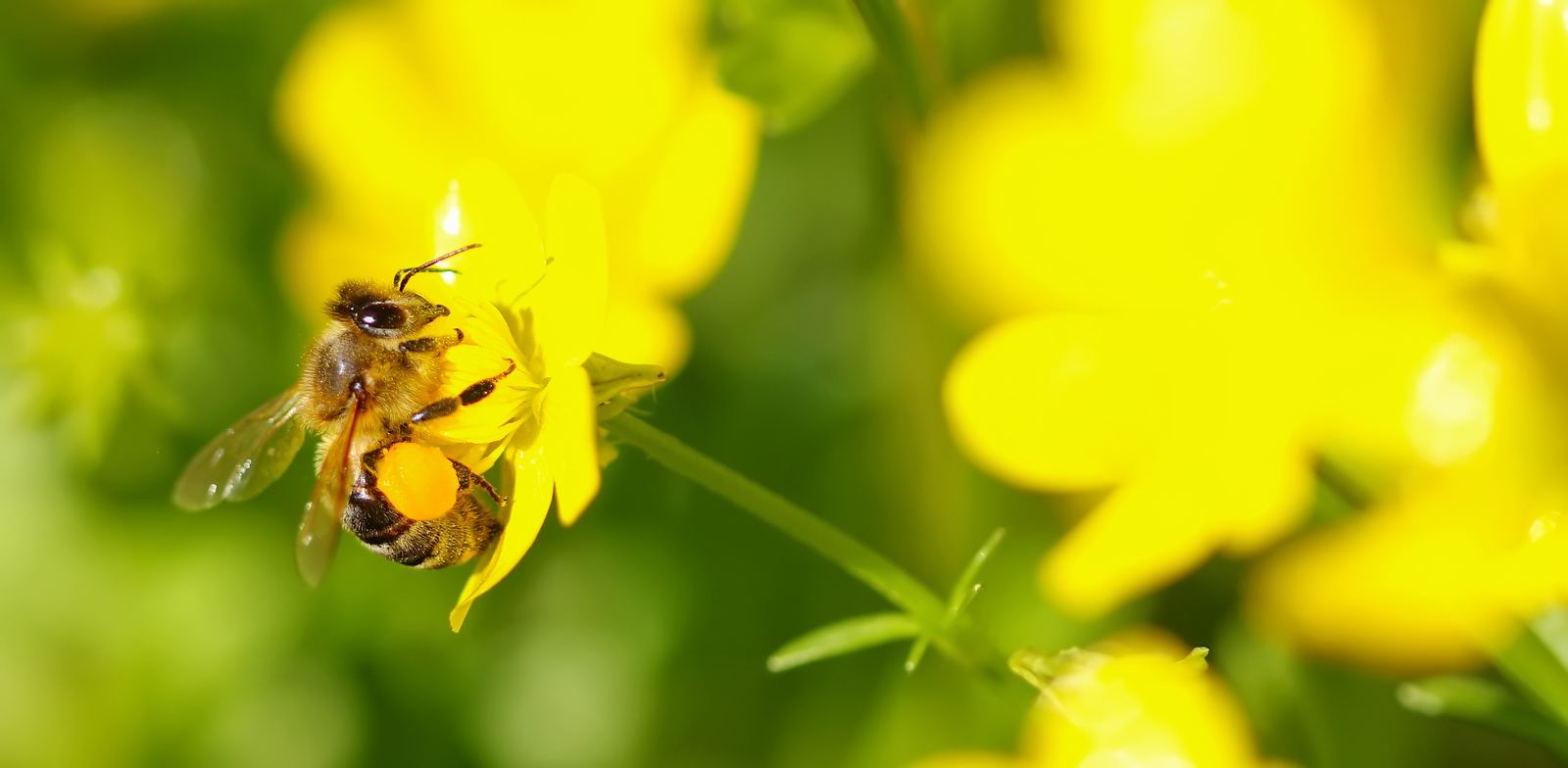
Bees collect resin from buds and bark, mix it with wax and secretions and build it in as propolis. In the hive it seals gaps, smooths surfaces and inhibits micro-organisms.
Composition varies strongly with the resin source — poplar, birch, conifers — and so does its profile. There is no such thing as one standard propolis.
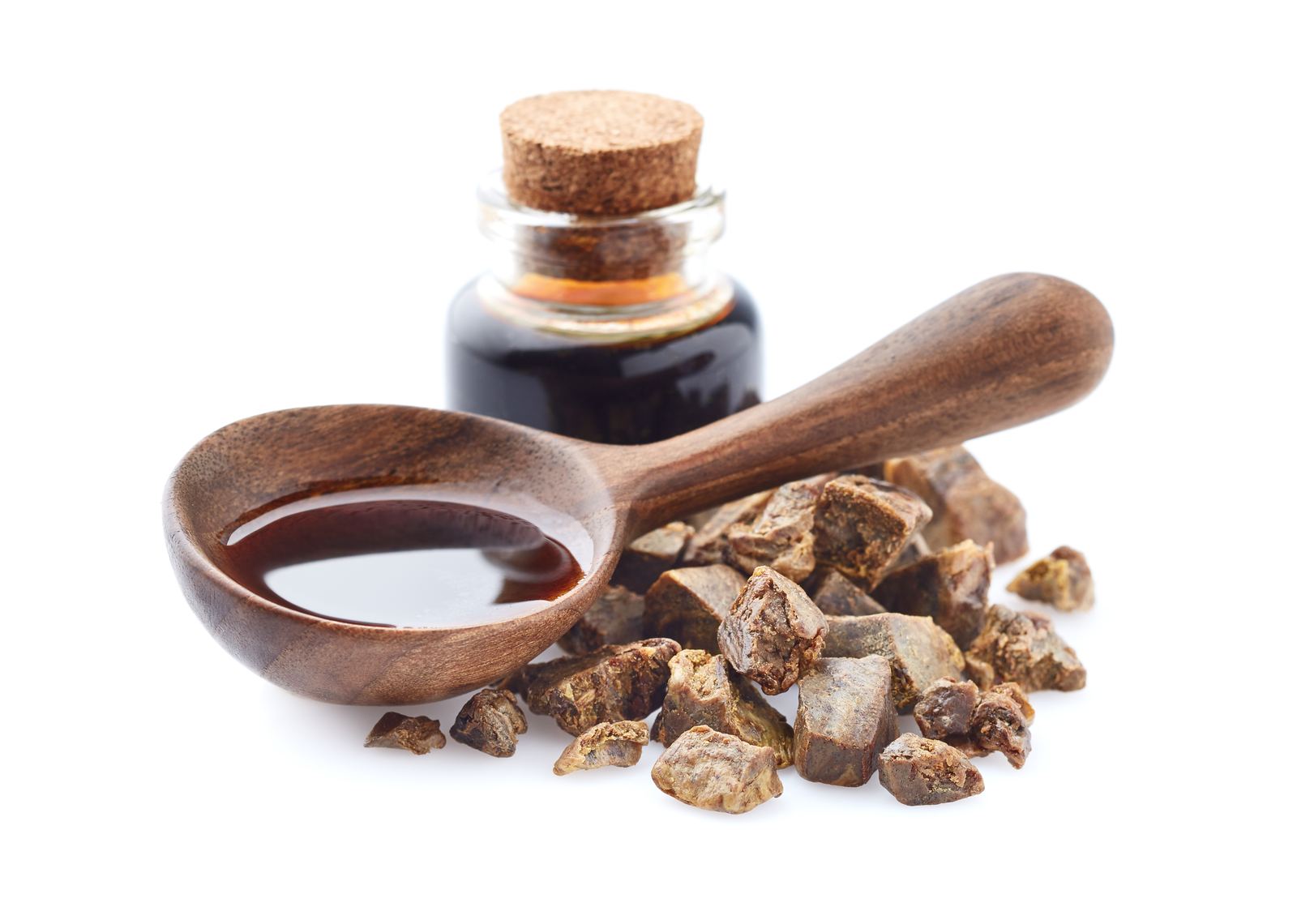
It is harvested with grids the colony propolises, or by scraping. Raw propolis becomes tincture, powder or ointment.
Composition of raw propolis
Guide values; the shares vary considerably with season and resin source.A natural product of variable composition — and an allergen.
Propolis is a common contact allergen. A patch test on the inner elbow belongs before first use, and caution applies with a known hive-product allergy. Health claims are neither legally nor factually admissible.
The recipes section carries instructions for making a tincture — quantities, maturing time and filtering.